The Rapid Evolution of Today’s New Technology
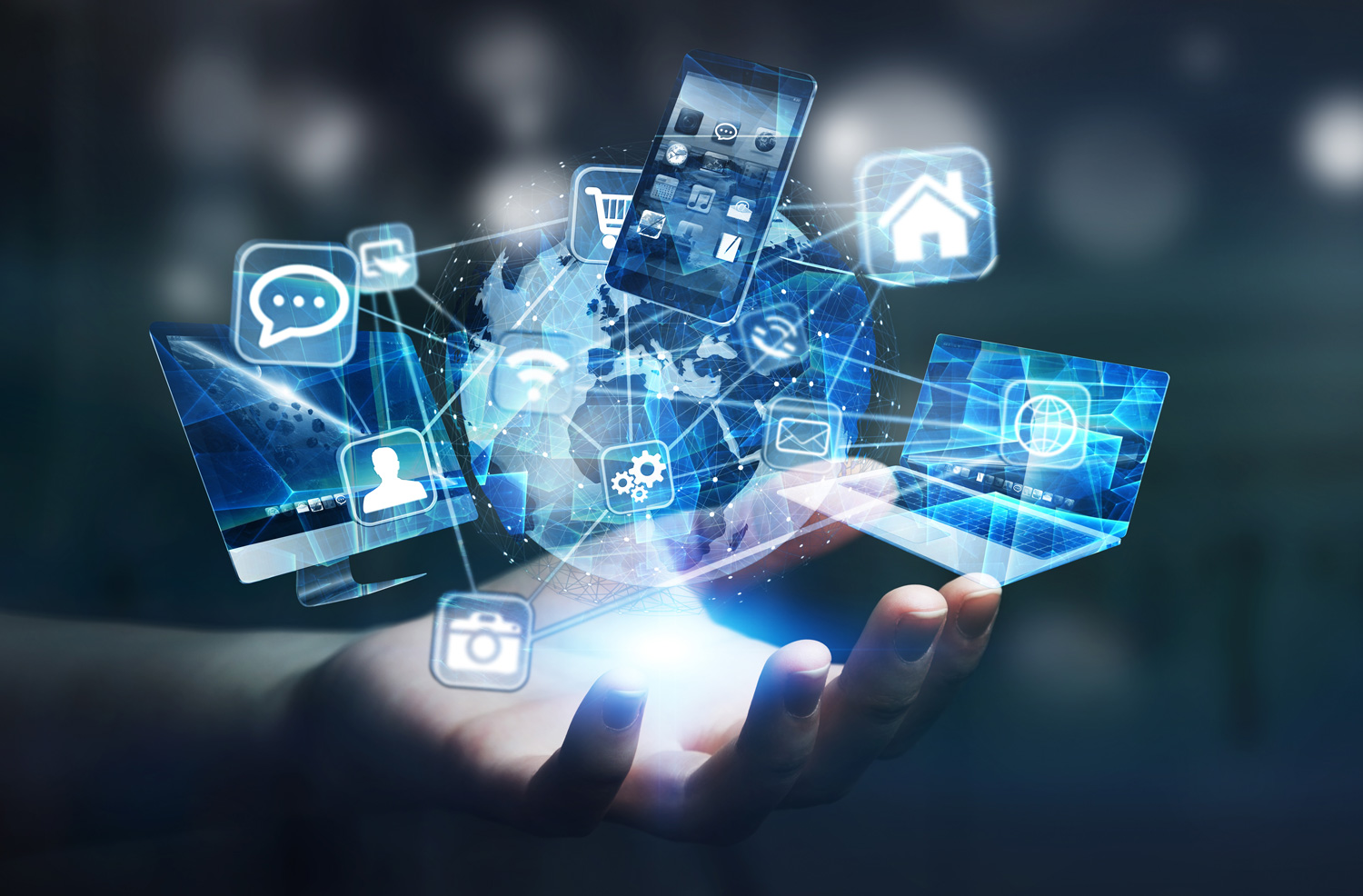
Technology is advancing at an unprecedented pace, shaping the way we live, work, and interact with the world around us. From artificial intelligence to virtual reality, today’s new technologies are revolutionising industries and pushing the boundaries of what was once thought possible.
Artificial Intelligence
Artificial intelligence (AI) has emerged as a game-changer in various sectors, from healthcare to finance. Machine learning algorithms are being used to analyse vast amounts of data and make predictions with incredible accuracy. AI-powered chatbots are transforming customer service experiences, while autonomous vehicles are set to revolutionise transportation.
Internet of Things (IoT)
The Internet of Things (IoT) has connected devices like never before, enabling seamless communication between smart appliances, wearables, and industrial equipment. This interconnected network is driving efficiency and automation in homes and businesses, paving the way for a more interconnected future.
5G Technology
The rollout of 5G technology promises lightning-fast connectivity and low latency, unlocking new possibilities for mobile communications and Internet speeds. With 5G networks becoming more widespread, we can expect enhanced mobile experiences, improved remote working capabilities, and increased adoption of IoT devices.
Virtual Reality (VR) and Augmented Reality (AR)
Virtual reality (VR) and augmented reality (AR) technologies are reshaping entertainment, education, and training experiences. VR headsets transport users to immersive digital worlds, while AR overlays digital information onto the real world through smartphone apps or smart glasses. These technologies are revolutionising how we interact with digital content.
In conclusion, today’s new technology is redefining the possibilities of what can be achieved in various industries. As we embrace these innovations and incorporate them into our daily lives, we are witnessing a transformative era where technology continues to push boundaries and shape our future.
Exploring the Impact and Implications of Modern Technology: 8 Key Questions Answered
- What is artificial intelligence and how is it used in today’s technology?
- How does the Internet of Things (IoT) impact our daily lives?
- What are the benefits of 5G technology compared to previous generations?
- How are virtual reality (VR) and augmented reality (AR) changing industries?
- What security concerns arise with the adoption of new technologies?
- How can businesses leverage today’s new technology to improve efficiency and productivity?
- What ethical considerations should be taken into account when implementing AI in various sectors?
- What role does machine learning play in driving advancements in modern technology?
What is artificial intelligence and how is it used in today’s technology?
Artificial intelligence (AI) refers to the simulation of human intelligence processes by machines, particularly computer systems. These processes include learning, reasoning, and self-correction. In today’s technology, AI is utilised across a wide range of applications, from voice-activated assistants like Siri and Alexa to more complex systems like autonomous vehicles and advanced data analytics tools. In healthcare, AI helps in diagnosing diseases and personalising treatment plans, while in finance, it is used for fraud detection and algorithmic trading. AI’s ability to process vast amounts of data quickly and accurately makes it an invaluable tool in enhancing efficiency and innovation across various industries.
How does the Internet of Things (IoT) impact our daily lives?
The Internet of Things (IoT) has a profound impact on our daily lives by seamlessly integrating smart devices and technologies into our routines. From smart thermostats that adjust to our preferences to wearable fitness trackers that monitor our health, IoT enhances convenience, efficiency, and connectivity in various aspects of everyday life. IoT-enabled home security systems provide peace of mind through remote monitoring, while smart appliances streamline household tasks. Moreover, IoT applications in healthcare enable remote patient monitoring and personalised treatment plans. Overall, the IoT revolutionises how we interact with technology, transforming our daily experiences for the better.
What are the benefits of 5G technology compared to previous generations?
The benefits of 5G technology compared to previous generations are vast and transformative. With its significantly faster speeds and lower latency, 5G enables real-time communication, making tasks such as video streaming, online gaming, and remote working smoother and more efficient. The increased capacity of 5G networks allows for more devices to be connected simultaneously without compromising performance, paving the way for the widespread adoption of Internet of Things (IoT) devices and smart technologies. Overall, 5G technology promises enhanced connectivity, improved user experiences, and opens up new possibilities for innovation across various industries.
How are virtual reality (VR) and augmented reality (AR) changing industries?
Virtual reality (VR) and augmented reality (AR) are revolutionising industries by offering immersive and interactive experiences that were previously unimaginable. In sectors such as healthcare, VR is being used for medical training and therapy, allowing professionals to simulate complex procedures and patients to undergo virtual rehabilitation. AR is transforming the retail industry with virtual try-on features and interactive product visualisations, enhancing the shopping experience for customers. Both technologies are also making waves in education by providing engaging and interactive learning environments. Overall, VR and AR are reshaping industries by unlocking new possibilities for training, marketing, design, and customer engagement.
What security concerns arise with the adoption of new technologies?
The adoption of new technologies often brings with it a host of security concerns that need careful consideration. As devices become more interconnected through the Internet of Things (IoT), the potential for cyber-attacks increases, making personal data and sensitive information more vulnerable to breaches. Artificial intelligence, while offering numerous benefits, can also be exploited by malicious actors to enhance phishing attacks or automate hacking attempts. Additionally, the rollout of 5G technology raises concerns about increased exposure to cyber threats due to its expansive network capabilities. Ensuring robust cybersecurity measures and maintaining privacy standards are crucial as we integrate these advanced technologies into our daily lives.
How can businesses leverage today’s new technology to improve efficiency and productivity?
In today’s rapidly evolving technological landscape, businesses have a prime opportunity to enhance their efficiency and productivity by leveraging cutting-edge innovations. By integrating advanced technologies such as artificial intelligence, Internet of Things (IoT), and automation tools into their operations, businesses can streamline processes, automate repetitive tasks, and gain valuable insights from data analytics. Embracing technologies like cloud computing and collaboration platforms also enables seamless communication and remote working capabilities, fostering productivity across teams. Ultimately, by strategically utilising today’s new technology, businesses can drive operational efficiencies, boost productivity levels, and stay ahead in an increasingly competitive market.
What ethical considerations should be taken into account when implementing AI in various sectors?
When implementing AI in various sectors, several ethical considerations must be carefully evaluated to ensure responsible and fair use. One primary concern is the potential for bias in AI algorithms, which can result from skewed data or flawed design processes, leading to discriminatory outcomes. Transparency is crucial; organisations should strive to make AI systems understandable and accountable, allowing users to comprehend how decisions are made. Privacy is another critical issue, as AI often relies on vast amounts of personal data; therefore, robust measures must be in place to protect individuals’ information. Additionally, the impact on employment should be considered, with strategies developed to address job displacement and support workforce transition. Ensuring that AI enhances rather than diminishes human rights and dignity is fundamental in fostering trust and acceptance across society.
What role does machine learning play in driving advancements in modern technology?
Machine learning plays a pivotal role in driving advancements in modern technology by enabling systems to learn from data, identify patterns, and make intelligent decisions without explicit programming. This transformative technology is at the core of various applications, from recommendation engines and predictive analytics to autonomous vehicles and healthcare diagnostics. By harnessing the power of machine learning algorithms, organisations can unlock valuable insights, enhance efficiency, and deliver innovative solutions that shape the future of technology across diverse industries.