Exploring the Future: New Upcoming Computer Technology
The world of computer technology is ever-evolving, with each year bringing groundbreaking innovations that push the boundaries of what’s possible. As we look to the future, several emerging technologies promise to revolutionise how we interact with computers and harness their capabilities.
Quantum Computing
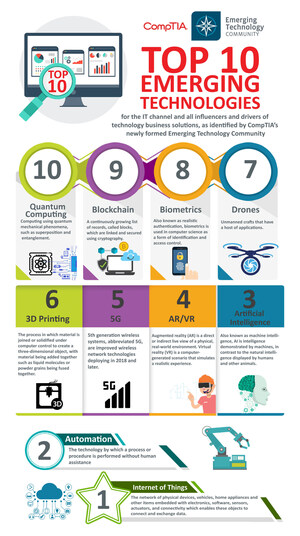
Quantum computing is one of the most exciting developments on the horizon. Unlike traditional computers that use bits to process information as 0s and 1s, quantum computers use quantum bits or qubits. This allows them to perform complex calculations at unprecedented speeds. With tech giants like IBM and Google making significant strides in this area, quantum computing could soon solve problems currently deemed unsolvable by classical computers.
Artificial Intelligence Advancements
Artificial intelligence (AI) continues to advance rapidly, with new applications emerging across various sectors. From natural language processing and machine learning algorithms to autonomous vehicles and smart home devices, AI is becoming increasingly integrated into daily life. The development of more sophisticated AI models promises even greater personalisation and efficiency in technology.
5G Connectivity
The rollout of 5G networks is set to transform communication by providing faster internet speeds and more reliable connections. This next-generation connectivity will enable seamless streaming, quicker downloads, and real-time data sharing, fostering innovation in areas such as augmented reality (AR), virtual reality (VR), and the Internet of Things (IoT).
Edge Computing
As data generation continues to grow exponentially, edge computing offers a solution by processing data closer to its source rather than relying on centralised data centres. This reduces latency and bandwidth usage while enhancing real-time data processing capabilities—a crucial advantage for applications like autonomous vehicles and smart cities.
Sustainable Technology
The demand for environmentally friendly technology is driving innovations aimed at reducing energy consumption and electronic waste. From energy-efficient processors to biodegradable materials in hardware production, sustainable technology practices are becoming integral in shaping the future of computing.
A Glimpse into Tomorrow
The landscape of computer technology is poised for transformative changes that will redefine how we live, work, and interact with our environment. As these technologies develop further, they hold the promise of unlocking new possibilities that were once confined to science fiction.
6 Essential Tips for Navigating the Latest in Computer Technology
- Explore on-device AI for faster, more private computing.
- Compare next-generation processors before upgrading.
- Check whether Wi-Fi 7 suits your home network.
- Look for modular laptops that are easier to repair.
- Try spatial computing demos before buying a headset.
- Choose quantum-computing courses to build future-ready skills.
Explore on-device AI for faster, more private computing.
On-device AI is emerging as a pivotal advancement in the realm of computer technology, offering users faster and more private computing experiences. Unlike traditional AI models that rely heavily on cloud-based processing, on-device AI performs computations directly on the user’s device. This approach significantly reduces latency, resulting in quicker responses and more efficient performance for applications such as voice recognition, image processing, and personalised recommendations. Moreover, by keeping data processing local to the device, on-device AI enhances privacy and security, as sensitive information does not need to be transmitted to external servers. This shift towards decentralised AI is set to empower users with greater control over their data while delivering seamless and instantaneous interactions with their devices.
Compare next-generation processors before upgrading.
Before upgrading, compare next-generation processors carefully to find one that suits your needs and budget. Look beyond headline speeds: check the number of cores, power consumption, heat output, compatibility with your motherboard and memory, and performance in the applications you use most. Independent reviews can help reveal how processors perform in everyday tasks as well as demanding workloads. Comparing these details can help you choose a worthwhile upgrade without paying for features you are unlikely to use.
Check whether Wi-Fi 7 suits your home network.
Before upgrading, check whether Wi-Fi 7 suits your home network. It can offer faster speeds, lower latency and improved performance when several devices are connected, but you’ll need a Wi-Fi 7 router and compatible devices to benefit fully. Consider your broadband speed, home layout and current network demands too: if your existing Wi-Fi meets your needs, the cost of upgrading may not be worthwhile just yet.
Look for modular laptops that are easier to repair.
Consider choosing a modular laptop if you’re looking for a computer that is easier to repair and upgrade. Designed with replaceable components such as the battery, keyboard, memory and storage, these laptops can be simpler to maintain than models with parts permanently fixed in place. This can help extend the device’s lifespan, reduce electronic waste and make routine repairs less costly. Before buying, check which components can be replaced, whether spare parts are readily available and how long the manufacturer expects to provide support.
Try spatial computing demos before buying a headset.
Before buying a spatial computing headset, try a few demonstrations in person if possible. A demo lets you judge comfort, fit and weight, as well as how naturally the controls respond and whether the display feels clear during use. You can also test how well digital objects sit within your surroundings and decide whether the available apps suit your needs. A short hands-on trial can reveal practical drawbacks that product descriptions may not mention, helping you make a more informed choice.
Choose quantum-computing courses to build future-ready skills.
Build Future-Ready Skills with Quantum-Computing Courses
Quantum computing is an emerging field with the potential to transform areas such as materials science, medicine and cybersecurity. Taking a course can help you develop a sound understanding of its core ideas, including qubits, quantum circuits and algorithms. Many introductory programmes are designed for learners without an advanced physics background, so you can begin with the basics and build your knowledge gradually. As the technology develops, these skills may help prepare you for new opportunities in research, software development and other technology careers.