What Is Technology For?
Technology is often associated with computers, smartphones and advanced machinery, but the term covers much more than modern electronics. It includes the tools, techniques and systems people create to solve problems, meet needs and make tasks easier. From a simple hand tool to a global communications network, technology is part of how people shape the world around them.
Solving Problems and Meeting Needs
At its simplest, technology is for helping people do things they could not do before, or do them more safely, quickly or effectively. A bridge helps people cross a river; a water-treatment system makes water safer to drink; and medical equipment helps health professionals diagnose and treat illness. Technologies are developed in response to practical needs, although they can also create new possibilities that people had not previously imagined.
Extending Human Abilities
Technology can extend human abilities. Vehicles allow people to travel further than they could on foot. Communication tools let people share information across great distances. Scientific instruments reveal details too small, distant or fast for human senses to detect. In this way, technology does not simply replace human effort: it can increase what people are able to see, make, learn and accomplish.
Supporting Work, Learning and Creativity
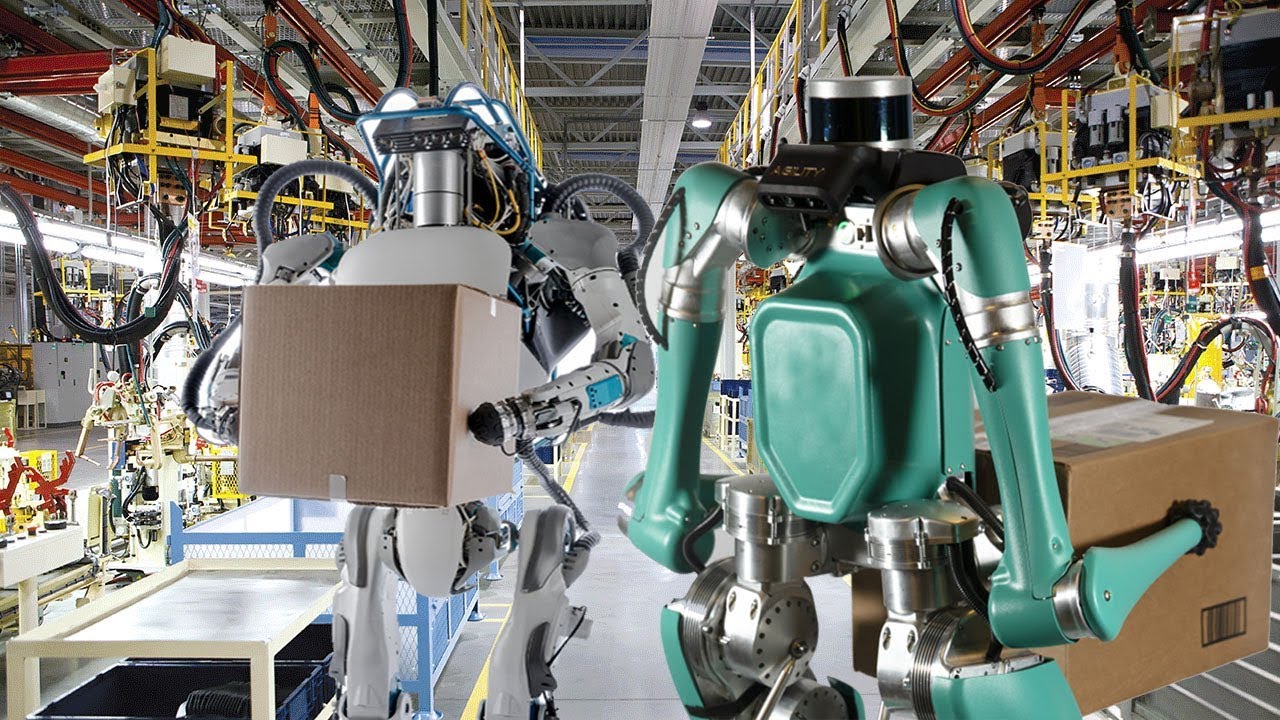
In workplaces, technology can automate repetitive tasks, help teams organise information and make services more accessible. In education, digital resources can give learners access to lessons, research and ideas from around the world. Creative tools enable people to compose music, edit films, design products and share their work with a wide audience.
These benefits depend on how the tools are used. A technology may save time in one setting but add complexity in another. It may support learning when used thoughtfully, yet distract from it when poorly integrated. The purpose of a tool is therefore shaped not only by its design, but also by the choices people make about using it.
Connecting People and Sharing Knowledge
Many technologies help people communicate and collaborate. Letters, telephones and online platforms have each changed how quickly and widely information can travel. These connections can help families stay in touch, allow researchers to share discoveries and enable communities to organise around common interests.
However, access to technology is not equal. Cost, infrastructure, skills, language and accessibility can determine who benefits. A technology intended to connect people may leave some behind if their needs are not considered.
Technology Is Not Automatically Progress
Technology can bring significant benefits, but it can also have unintended consequences. It may affect privacy, employment, the environment and the distribution of power. A new system can make a service more efficient while making it harder for some people to use. Devices and infrastructure also require materials and energy, and their production and disposal can create environmental pressures.
For this reason, asking what a technology can do is not enough. It is also important to ask who it is designed for, who controls it, who benefits, what risks it creates and whether those risks can be reduced. Good decisions involve technical knowledge as well as ethical judgement and public discussion.
A Tool, Not an End in Itself
Technology has no single purpose. It is a collection of tools and systems that people use to pursue different aims: improving health, making goods, sharing knowledge, solving everyday problems or exploring new ideas. Its value depends on whether it serves human needs fairly, safely and responsibly.
Ultimately, technology is for helping people shape their lives and surroundings. The most important question is not simply what technology can do, but what people choose to do with it.
Understanding Technology: Key Examples, Uses, and Benefits
- What are 5 examples of technology?
- What is technology for class 8?
- What are the benefits of technology?
- What is technology in your own words?
- What is technology used for?
What are 5 examples of technology?
Five examples of technology are smartphones, computers, medical scanners, solar panels and public transport systems. Smartphones help people communicate and access information; computers support work, learning and creative tasks; medical scanners help health professionals diagnose conditions; solar panels convert sunlight into electricity; and public transport systems move people around towns and cities. These examples show that technology includes both digital devices and practical tools or systems designed to meet human needs.
What is technology for class 8?
Technology is the use of knowledge, tools and methods to solve problems and meet people’s needs. For a Class 8 student, examples include a calculator helping with maths, a water filter making water safer to drink, and the internet helping people find and share information. Technology can make everyday tasks easier, faster or safer, but it should be used responsibly.
What are the benefits of technology?
Technology can make everyday tasks faster, safer and more convenient, while improving access to information, education and essential services. It helps people communicate across distances, supports innovation in fields such as medicine and science, and enables businesses and communities to work more efficiently. When designed and used responsibly, technology can also help solve complex problems and create new opportunities.
What is technology in your own words?
Technology, in simple terms, is the collection of tools, methods and systems people create to solve problems and make tasks easier. It includes everyday objects such as a kettle or bicycle, as well as computers, medical equipment and communication networks. Technology can help us work, learn, travel and connect with others; its value depends on how thoughtfully and responsibly it is used.
What is technology used for?
Technology is used to solve problems, meet people’s needs and make tasks easier, safer or more efficient. It can help us communicate, learn, work, travel, create, access information and improve healthcare. Its purpose depends on how people design and use it, so technology is most valuable when it is applied responsibly and benefits people.