Top Latest Technology Trends Transforming Our World
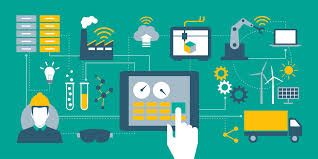
The rapid pace of technological advancement is reshaping our world in unprecedented ways. From artificial intelligence to quantum computing, the latest technology trends are not only influencing how we live and work but also redefining entire industries. Here are some of the top technology trends that are making waves in 2023.
Artificial Intelligence and Machine Learning
Artificial Intelligence (AI) continues to be a driving force behind technological innovation. With advancements in machine learning algorithms, AI is becoming more sophisticated, enabling machines to perform complex tasks with greater accuracy. From AI-powered chatbots providing customer service to predictive analytics transforming healthcare, the applications of AI are vast and varied.
Quantum Computing
Quantum computing is poised to revolutionise industries by solving problems that were previously considered unsolvable. Unlike classical computers, which use bits as units of information, quantum computers use quantum bits or qubits. This allows them to process information exponentially faster, opening up new possibilities in fields such as cryptography, material science, and drug discovery.
Internet of Things (IoT)
The Internet of Things (IoT) refers to the network of interconnected devices that communicate and exchange data with each other. IoT is transforming various sectors by enabling smart homes, connected cars, and intelligent industrial systems. As IoT technology advances, it promises to enhance efficiency and improve quality of life through automation and data-driven insights.
5G Technology
The rollout of 5G networks is set to revolutionise mobile connectivity by providing faster internet speeds and more reliable connections. This next-generation wireless technology will support a vast array of applications, from augmented reality experiences to real-time remote surgeries, facilitating innovations that require high-speed data transmission.
Blockchain Technology
Blockchain technology is gaining traction beyond its cryptocurrency origins due to its potential for enhancing security and transparency across various sectors. From supply chain management to secure voting systems, blockchain offers a decentralised way to record transactions securely and immutably.
Augmented Reality (AR) and Virtual Reality (VR)
AR and VR technologies are creating immersive experiences across entertainment, education, and training sectors. While VR offers complete immersion into a virtual world, AR overlays digital information onto the physical world. These technologies are being used for everything from virtual meetings to interactive learning environments.
The Future Awaits
The latest technology trends are not just about new gadgets or software; they represent fundamental shifts in how we interact with the world around us. As these technologies continue to evolve, they hold the promise of solving some of humanity’s greatest challenges while also presenting new ethical considerations that must be addressed responsibly.
The future is indeed exciting as we stand on the brink of these technological transformations that have the potential to redefine our lives for generations to come.
Exploring the Benefits of Cutting-Edge Technology: Enhancing Productivity, Communication, and Innovation
- Improves productivity through automation.
- Enables faster, smarter communication.
- Supports advances in healthcare.
- Makes learning more accessible.
- Helps businesses make better decisions.
- Creates new opportunities for innovation.
Examining the Drawbacks of Cutting-Edge Technology: Obsolescence, Cost, Privacy Risks, Job Displacement, Dependency, and Environmental Impact
- Rapid upgrades can make devices obsolete quickly.
- New technology can be expensive.
- More connected devices increase privacy risks.
- Automation may replace some jobs.
- Heavy reliance on technology can disrupt daily life.
- Electronic waste can harm the environment.
Improves productivity through automation.
One of the key benefits of the latest technology is its ability to improve productivity through automation. Software and machines can handle repetitive, time-consuming tasks quickly and consistently, allowing people to focus on work that requires judgement, creativity and problem-solving. In workplaces, automation can streamline processes, reduce errors and help teams make better use of their time and resources.
Enables faster, smarter communication.
One of the key benefits of the latest technology is that it enables faster, smarter communication. Instant messaging, video calls and collaborative online tools help people share information quickly, work together across distances and stay connected in real time. Smart features such as translation and automated summaries can also make communication clearer and more accessible, helping individuals and organisations save time and make better-informed decisions.
Supports advances in healthcare.
One of the most significant benefits of the latest technology is its ability to support advances in healthcare. Artificial intelligence can help clinicians analyse medical images and identify patterns, while wearable devices can monitor vital signs and alert users to potential changes in their health. Telehealth services also make it easier for patients to consult healthcare professionals remotely, improving access to care. Used responsibly alongside expert clinical judgement, these tools can support earlier diagnosis, more personalised treatment and better patient care.
Makes learning more accessible.
One of the greatest benefits of the latest technology is that it makes learning more accessible. Online courses, digital libraries and educational apps allow people to study from almost anywhere, often at a time that suits them. Assistive tools, such as text-to-speech software, captions and adjustable display settings, can also help learners with different needs engage with course materials. By reducing barriers of distance, cost and access, technology gives more people the opportunity to develop new skills and continue their education.
Helps businesses make better decisions.
One of the key benefits of the latest technology is its ability to help businesses make better decisions. Data analytics and artificial intelligence can process large amounts of information quickly, revealing patterns, customer preferences and potential risks that might otherwise go unnoticed. With clearer, timely insights, businesses can plan more effectively, use resources wisely and respond to changing market conditions with greater confidence.
Creates new opportunities for innovation.
One of the greatest advantages of the latest technology is the new opportunities it creates for innovation. Advances in areas such as artificial intelligence, connected devices and cloud computing give people and organisations new ways to solve problems, develop products and improve services. By making tools and information more accessible, technology can also help small businesses, researchers and creative teams turn fresh ideas into practical solutions.
Rapid upgrades can make devices obsolete quickly.
Rapid technological upgrades can make devices feel obsolete long before they stop working. New software may no longer support older models, while manufacturers’ latest features can encourage people to replace equipment that is still perfectly usable. This can be costly for consumers and contributes to growing electronic waste, making it important to consider repairability, long-term support and the environmental impact before upgrading.
New technology can be expensive.
One significant drawback of the latest technology is its high cost. New devices, software and systems can require substantial upfront investment, while upgrades, maintenance and staff training may add to the expense over time. This can make the benefits harder to access for individuals, small businesses and communities with limited budgets, widening the gap between those who can afford the newest tools and those who cannot.
More connected devices increase privacy risks.
As more devices connect to the internet, from smart speakers and watches to home security cameras, the amount of personal data being collected and shared increases. This can create greater privacy risks, particularly if devices have weak security, collect more information than necessary or share data without clear consent. A compromised device may expose sensitive details about someone’s routines, location or household. Using strong, unique passwords, checking privacy settings and keeping software up to date can help reduce these risks, but connected technology still requires careful handling.
Automation may replace some jobs.
The rapid advancement of automation technology presents a significant challenge in the modern workforce, as it has the potential to replace certain jobs traditionally performed by humans. Industries such as manufacturing, retail, and even some service sectors are increasingly adopting automated systems to enhance efficiency and reduce costs. While this technological progress can lead to increased productivity and economic growth, it also raises concerns about job displacement and the future of employment for many workers. As machines become capable of performing repetitive tasks with greater precision and speed, there is a growing need for workers to adapt by acquiring new skills that complement automated processes. This shift necessitates a focus on reskilling and upskilling the workforce to ensure that individuals can transition into roles that require uniquely human skills, such as creativity, problem-solving, and emotional intelligence.
Heavy reliance on technology can disrupt daily life.
Heavy reliance on the latest technology can disrupt daily life when devices and digital services become difficult to do without. Constant notifications, screen time and pressure to stay connected may interrupt work, sleep and face-to-face conversations. Technical faults, power cuts or internet outages can also make everyday tasks harder when people depend on apps and online systems. Using technology thoughtfully and setting boundaries can help prevent these disruptions.
Electronic waste can harm the environment.
One significant drawback of the latest technology is the growing amount of electronic waste. Phones, computers and other devices are often replaced quickly, and if they are not repaired, reused or recycled safely, harmful substances can pollute soil and water and damage ecosystems. Reducing e-waste means choosing durable products, extending the life of devices and using responsible recycling schemes.