The Evolution of Pharmaceutical Technology
Pharmaceutical technology has revolutionised the healthcare industry, providing innovative solutions for drug development, production, and delivery. Over the years, advancements in this field have significantly improved patient outcomes and enhanced the efficiency of healthcare systems worldwide.
Drug Discovery and Development
One of the key areas where pharmaceutical technology has made a profound impact is in drug discovery and development. Through the use of computational tools, high-throughput screening techniques, and molecular modelling, researchers can now identify potential drug candidates more efficiently than ever before. This has accelerated the pace of drug discovery and enabled the development of targeted therapies for a wide range of diseases.
Manufacturing Processes
Modern pharmaceutical technology has also transformed manufacturing processes, making them more streamlined and cost-effective. Automated systems, robotics, and real-time monitoring tools have revolutionised drug production, ensuring consistent quality and compliance with regulatory standards. As a result, pharmaceutical companies can bring new drugs to market faster while maintaining high levels of safety and efficacy.
Drug Delivery Systems
In addition to drug discovery and manufacturing, pharmaceutical technology has led to significant advancements in drug delivery systems. From nanotechnology-based carriers to implantable devices, researchers have developed innovative ways to target specific tissues or organs with precision. This not only improves the effectiveness of treatments but also reduces side effects and enhances patient compliance.
The Future of Pharmaceutical Technology
Looking ahead, the future of pharmaceutical technology holds even greater promise. Emerging fields such as personalised medicine, gene therapy, and artificial intelligence are poised to transform how we develop and deliver healthcare interventions. By leveraging these technologies effectively, we can usher in a new era of precision medicine that is tailored to individual patients’ needs.
In conclusion, pharmaceutical technology continues to drive innovation in healthcare by pushing boundaries and reimagining what is possible. As we embrace these advancements, we move closer to achieving better health outcomes for all individuals around the globe.
Advancements in Pharmaceutical Technology: Accelerating Discovery, Manufacturing, and Personalised Medicine
- Enhances drug discovery process by accelerating the identification of potential candidates.
- Improves manufacturing efficiency through automation and real-time monitoring tools.
- Enables targeted drug delivery systems for enhanced treatment effectiveness.
- Facilitates the development of personalised medicine tailored to individual patient needs.
- Drives innovation in healthcare by leveraging emerging technologies like AI and nanotechnology.
Challenges and Concerns in Pharmaceutical Technology: A Critical Examination of Costs, Ethics, and Accessibility
- High cost of research and development for new pharmaceutical technologies
- Potential for over-reliance on technology, leading to reduced human oversight
- Complex regulatory requirements that can slow down the approval process
- Risk of data breaches and cybersecurity threats affecting sensitive medical information
- Ethical concerns surrounding the use of advanced technologies in drug development
- Unequal access to cutting-edge pharmaceutical technologies, creating disparities in healthcare
- Limited understanding or acceptance of new technologies among healthcare professionals
Enhances drug discovery process by accelerating the identification of potential candidates.
Pharmaceutical technology plays a crucial role in enhancing the drug discovery process by significantly expediting the identification of potential candidates. Through the use of advanced computational tools, high-throughput screening techniques, and molecular modelling, researchers can swiftly pinpoint promising drug candidates with greater efficiency and accuracy. This acceleration not only speeds up the overall drug development timeline but also enables the exploration of a wider range of therapeutic options, ultimately leading to the discovery of novel treatments for various diseases.
Improves manufacturing efficiency through automation and real-time monitoring tools.
Pharmaceutical technology offers a significant advantage by enhancing manufacturing efficiency through automation and real-time monitoring tools. By automating various processes and implementing real-time monitoring systems, pharmaceutical companies can streamline production, reduce human error, and ensure consistent quality control. This not only accelerates the manufacturing process but also enhances overall productivity while maintaining strict adherence to regulatory standards. The integration of automation and real-time monitoring tools in pharmaceutical manufacturing represents a pivotal advancement that optimises operations and ultimately benefits patients by ensuring the timely availability of high-quality medications.
Enables targeted drug delivery systems for enhanced treatment effectiveness.
Pharmaceutical technology has enabled the development of targeted drug delivery systems, a significant advancement that enhances treatment effectiveness. By precisely delivering medications to specific tissues or organs in the body, these innovative systems ensure that the therapeutic effects are maximised while minimising potential side effects. This targeted approach not only improves the efficacy of treatments but also enhances patient comfort and compliance. Through the use of sophisticated drug delivery technologies, pharmaceutical companies can tailor treatments to individual patient needs, leading to more successful outcomes and improved quality of care.
Facilitates the development of personalised medicine tailored to individual patient needs.
Pharmaceutical technology plays a crucial role in enabling the development of personalised medicine that is specifically tailored to meet the unique needs of individual patients. By leveraging advanced tools and techniques, researchers can analyse genetic, environmental, and lifestyle factors to create targeted therapies that offer optimal efficacy with minimal side effects. This approach not only enhances treatment outcomes but also improves patient adherence and overall quality of care. The ability to customise medical interventions based on individual characteristics represents a significant advancement in healthcare that has the potential to revolutionise how we approach disease management and prevention.
Drives innovation in healthcare by leveraging emerging technologies like AI and nanotechnology.
Pharmaceutical technology plays a crucial role in driving innovation within the healthcare sector by harnessing emerging technologies such as artificial intelligence (AI) and nanotechnology. AI enables researchers to analyse vast datasets, identify patterns, and predict outcomes with unprecedented accuracy, thereby accelerating drug discovery and optimising clinical trials. Meanwhile, nanotechnology offers groundbreaking approaches to drug delivery, allowing for the precise targeting of diseased cells while minimising side effects. Together, these technologies are revolutionising how treatments are developed and administered, paving the way for more personalised and effective healthcare solutions that significantly improve patient outcomes.
High cost of research and development for new pharmaceutical technologies
The high cost of research and development for new pharmaceutical technologies poses a significant challenge within the industry. Pharmaceutical companies invest substantial resources in conducting clinical trials, acquiring patents, and navigating regulatory processes to bring innovative drugs to market. These costs often lead to inflated drug prices, limiting access for patients who may benefit from these advancements. Additionally, the financial burden of R&D can deter smaller companies and researchers from pursuing groundbreaking discoveries, potentially stifling innovation in the long run. Finding a balance between recouping investment costs and ensuring affordability and accessibility of new pharmaceutical technologies remains a complex issue that requires careful consideration and collaboration among stakeholders.
Potential for over-reliance on technology, leading to reduced human oversight
One significant con of pharmaceutical technology is the potential for over-reliance on automated systems and tools, which can result in reduced human oversight. As advanced technologies play a more prominent role in drug discovery, manufacturing, and delivery processes, there is a risk that critical decision-making and quality control tasks may become too dependent on machines. This over-reliance on technology could lead to a decrease in human intervention and monitoring, potentially compromising safety standards and the ability to address unforeseen issues effectively. Striking a balance between leveraging technological advancements and maintaining human expertise and oversight is crucial to ensure the continued safety and efficacy of pharmaceutical products.
Complex regulatory requirements that can slow down the approval process
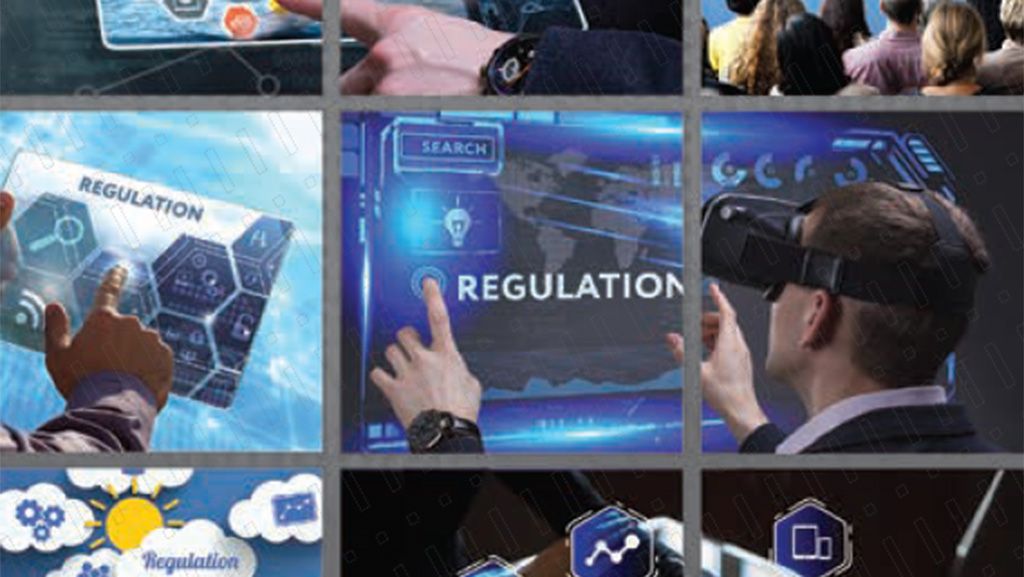
Complex regulatory requirements in the pharmaceutical industry can indeed pose a significant challenge by slowing down the approval process for new drugs and technologies. The stringent regulations set by governing bodies aim to ensure the safety, efficacy, and quality of pharmaceutical products before they reach the market. However, navigating through these intricate regulatory frameworks can be time-consuming and resource-intensive for pharmaceutical companies. Delays in approvals not only hinder timely access to innovative treatments for patients but also increase development costs and may discourage investment in research and development efforts. Finding a balance between ensuring patient safety and expediting the approval process remains a critical issue in the field of pharmaceutical technology.
Risk of data breaches and cybersecurity threats affecting sensitive medical information
One significant drawback of pharmaceutical technology is the increased risk of data breaches and cybersecurity threats that can compromise sensitive medical information. As healthcare systems become more digitised and interconnected, the potential for malicious actors to access and exploit patient data also grows. These breaches not only jeopardise patient privacy but can also have far-reaching consequences, including identity theft, financial fraud, and compromised healthcare decisions. It is crucial for pharmaceutical companies and healthcare providers to prioritise robust cybersecurity measures to safeguard sensitive medical information and maintain trust in the integrity of healthcare systems.
Ethical concerns surrounding the use of advanced technologies in drug development
Ethical concerns surrounding the use of advanced technologies in drug development have become a prominent issue in the pharmaceutical industry. While these technologies offer tremendous potential for improving patient care and advancing medical science, there are ethical implications that must be carefully considered. Questions arise about data privacy, informed consent, and the potential for exploitation of vulnerable populations. Additionally, there is a growing concern about the widening gap in access to cutting-edge treatments between different socio-economic groups. As we continue to harness the power of advanced technologies in drug development, it is crucial to address these ethical challenges to ensure that innovation benefits society as a whole without compromising fundamental ethical principles.
Unequal access to cutting-edge pharmaceutical technologies, creating disparities in healthcare
The con of pharmaceutical technology lies in the unequal access to cutting-edge advancements, leading to disparities in healthcare delivery. While innovative pharmaceutical technologies have the potential to revolutionise patient care and treatment outcomes, the unequal distribution of these resources can widen the gap between those who have access to state-of-the-art treatments and those who do not. This disparity can exacerbate existing healthcare inequalities, leaving vulnerable populations at a disadvantage and hindering efforts to achieve equitable healthcare for all. Addressing this issue requires a concerted effort to ensure that cutting-edge pharmaceutical technologies are accessible to all individuals, regardless of their socio-economic status or geographical location.
Limited understanding or acceptance of new technologies among healthcare professionals
Limited understanding or acceptance of new technologies among healthcare professionals poses a significant con in the realm of pharmaceutical technology. This reluctance to embrace innovative advancements can hinder the adoption of cutting-edge solutions that have the potential to revolutionise patient care and treatment outcomes. Without proper education and training on new technologies, healthcare professionals may struggle to leverage their full benefits, leading to missed opportunities for improving efficiency, accuracy, and overall quality of care. Overcoming this con requires a concerted effort to bridge the knowledge gap and foster a culture of continuous learning and adaptation within the healthcare industry.