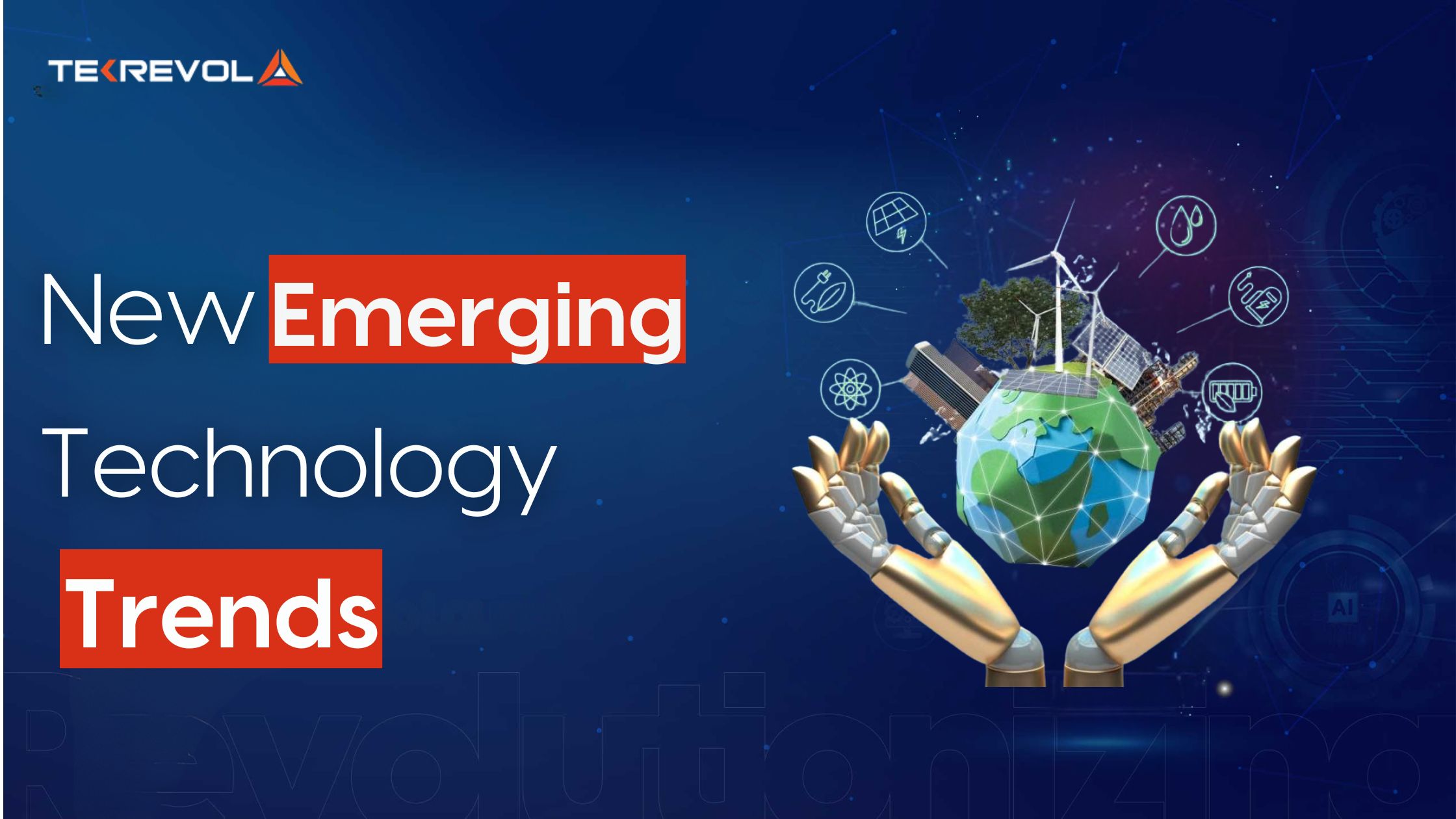
The Impact of Modern Technology on Society
In today’s rapidly evolving world, modern technology plays a pivotal role in shaping the way we live, work, and interact. From smartphones to artificial intelligence, technological advancements have transformed every aspect of our daily lives. This article explores some of the most significant developments in modern technology and their impact on society.
Communication Revolution
The advent of the internet and mobile technology has revolutionised communication. Social media platforms such as Facebook, Twitter, and Instagram have changed how we connect with others, enabling instant communication across the globe. Video conferencing tools like Zoom and Microsoft Teams have made remote work more feasible than ever before, particularly during the COVID-19 pandemic.
Healthcare Innovations
Modern technology has also brought about significant advancements in healthcare. Telemedicine allows patients to consult with doctors remotely, increasing access to medical care for those in rural or underserved areas. Wearable health devices like smartwatches monitor vital signs and provide real-time health data, empowering individuals to take charge of their own health.
Artificial Intelligence and Automation
Artificial intelligence (AI) is one of the most transformative technologies of our time. AI-powered systems are being used across various industries to improve efficiency and accuracy. In manufacturing, automation reduces human error and increases production speed. In finance, AI algorithms analyse vast amounts of data to provide insights that drive decision-making.
Challenges and Considerations
While modern technology offers numerous benefits, it also presents challenges that need careful consideration. Privacy concerns are at the forefront as personal data is collected by numerous digital platforms. Cybersecurity threats continue to evolve, requiring robust measures to protect sensitive information.
Moreover, the rapid pace of technological change can lead to job displacement as automation replaces certain roles. It is crucial for educational systems to adapt by equipping individuals with skills that are relevant in an increasingly digital world.
The Future of Modern Technology
The future promises even more exciting developments in modern technology. The rise of quantum computing could revolutionise industries by solving complex problems beyond current capabilities. The continued integration of AI into everyday life will further blur the lines between physical and digital realms.
As society navigates these changes, it is essential to strike a balance between embracing innovation and addressing ethical considerations. By doing so, we can ensure that modern technology continues to enhance our lives while safeguarding our values.
Exploring the Advantages of Modern Technology: Accessibility, Timeliness, Interactivity, Depth, Global Reach, and Educational Value
- 1. Accessibility
- 2. Timeliness
- 3. Interactivity
- 4. Depth of Coverage
- 5. Global Reach
- 6. Educational Value
Navigating the Challenges of Modern Technology: Privacy, Security, and Social Impacts
- Privacy concerns regarding data collection by digital platforms.
- Cybersecurity threats evolving in complexity and frequency.
- Job displacement due to automation and AI replacing certain roles.
- Digital divide widening between those with access to technology and those without.
- Potential overreliance on technology leading to decreased face-to-face interaction.
- Misinformation spreading rapidly through online channels.
1. Accessibility
With the advancement of modern technology, articles have become highly accessible online, enabling readers to stay informed about the latest trends and developments regardless of their location. The convenience of accessing technology articles from anywhere with an internet connection has democratised information dissemination, empowering individuals to expand their knowledge and stay up-to-date in a fast-paced digital landscape. This accessibility feature not only benefits readers seeking valuable insights but also fosters a culture of continuous learning and engagement with cutting-edge technological advancements.
2. Timeliness
With real-time updates, modern technology articles offer a valuable advantage in timeliness by providing up-to-the-minute information on breaking news and emerging technologies. This immediate access to the latest developments allows readers to stay informed and adapt quickly to changes in the dynamic world of technology. Whether it’s a new product launch, a scientific breakthrough, or industry trends, modern technology articles ensure that readers are always at the forefront of innovation and knowledge.
3. Interactivity
One significant advantage of modern technology articles is their interactivity. Incorporating multimedia elements like videos, infographics, and interactive graphics enhances the reader’s experience by providing a dynamic and engaging way to consume information. These visual aids not only make the content more appealing but also help to clarify complex concepts and data, making it easier for readers to understand and retain the information being presented. By leveraging these interactive features, modern technology articles create a more immersive and interactive reading experience that captivates audiences and encourages deeper engagement with the content.
4. Depth of Coverage
Technology articles excel in their ability to offer a deep level of coverage on complex topics related to technological advancements. By delving into intricate details and providing thorough analysis, these articles offer readers valuable insights and diverse perspectives that help them better understand the ever-evolving landscape of technology. The depth of coverage in technology articles not only educates readers but also encourages critical thinking and fosters a deeper appreciation for the innovations shaping our world today.
5. Global Reach
One significant advantage of modern technology articles is their global reach. By being accessible online, these articles have the potential to reach a vast worldwide audience, transcending geographical boundaries. This accessibility fosters international dialogue and collaboration among professionals and enthusiasts from different corners of the globe, facilitating the exchange of ideas and knowledge on a global scale. Such cross-cultural interactions not only enrich the content of technology articles but also contribute to a more interconnected and collaborative global community.
6. Educational Value
One of the key advantages of modern technology articles is their educational value. By delving into cutting-edge innovations and trends, these articles act as valuable educational resources that enable readers to broaden their knowledge and remain at the forefront of a rapidly evolving tech landscape. Whether discussing breakthroughs in artificial intelligence, advancements in renewable energy technologies, or the latest developments in cybersecurity, these articles provide insights that empower individuals to deepen their understanding and adapt to the dynamic world of modern technology.
Privacy concerns regarding data collection by digital platforms.
One significant con of modern technology articles is the growing concern over privacy due to extensive data collection by digital platforms. As individuals engage with various online services and social media platforms, their personal information is often collected, stored, and used without their full understanding or consent. This raises questions about data privacy, security breaches, and the potential misuse of sensitive information for targeted advertising or other purposes. The lack of transparency surrounding data collection practices by digital platforms has sparked debates about the need for stricter regulations to protect user privacy in the digital age.
Cybersecurity threats evolving in complexity and frequency.
One concerning con of modern technology is the escalating complexity and frequency of cybersecurity threats. As technology advances, so do the tactics employed by malicious actors to exploit vulnerabilities in digital systems. From sophisticated phishing schemes to ransomware attacks, cyber threats have become increasingly pervasive and damaging. Organisations and individuals alike are at risk of data breaches, financial losses, and reputational damage as cybercriminals continuously adapt their strategies to bypass security measures. Addressing this con requires constant vigilance, robust cybersecurity protocols, and ongoing education to mitigate risks and safeguard sensitive information in an ever-evolving digital landscape.
Job displacement due to automation and AI replacing certain roles.
One significant con of modern technology is the potential for job displacement caused by automation and artificial intelligence replacing certain roles. As machines become increasingly capable of performing tasks that were once exclusive to humans, there is a growing concern about the impact on employment opportunities. Workers in industries such as manufacturing, customer service, and transportation face the risk of being replaced by more efficient and cost-effective automated systems. This shift not only poses a threat to livelihoods but also raises questions about how society can adapt to ensure that individuals are equipped with the skills needed for the evolving job market.
Digital divide widening between those with access to technology and those without.
The widening digital divide between individuals with access to modern technology and those without is a concerning con of technological advancements. As technology becomes increasingly integrated into various aspects of daily life, disparities in access to devices, internet connectivity, and digital skills pose significant challenges. Those lacking access risk being left behind in terms of educational opportunities, job prospects, and social inclusion. Bridging this gap is essential to ensure that everyone has equal opportunities to benefit from the advantages that modern technology offers.
Potential overreliance on technology leading to decreased face-to-face interaction.
One significant con of modern technology is the potential overreliance on digital devices, which can result in decreased face-to-face interaction. With the convenience of instant messaging, video calls, and social media, people may opt for virtual communication over in-person interactions. This shift can lead to reduced opportunities for meaningful connections, empathy-building, and non-verbal communication skills development that are crucial for fostering genuine relationships and understanding. As individuals spend more time engaging with screens rather than each other, the essence of human connection risks being diluted, highlighting the importance of striking a balance between technological convenience and authentic interpersonal engagement.
Misinformation spreading rapidly through online channels.
One concerning con of modern technology is the rapid spread of misinformation through online channels. With the ease of sharing information on social media and other digital platforms, false or misleading content can quickly gain traction and reach a wide audience. This phenomenon not only undermines the credibility of reliable sources but also poses significant risks to individuals who may unknowingly consume and act upon inaccurate information. Addressing the challenge of combating misinformation in the digital age is crucial to promoting informed decision-making and maintaining trust in the information ecosystem.