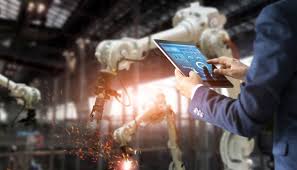
The Recent Advancements in Technology
Technology is advancing at a rapid pace, shaping the way we live, work, and interact with the world around us. In recent years, several groundbreaking innovations have emerged, revolutionising various industries and improving our daily lives.
Artificial Intelligence (AI)
Artificial Intelligence has made significant strides in areas such as machine learning, natural language processing, and computer vision. AI-powered systems are being used in healthcare for diagnosis and treatment planning, in autonomous vehicles for safer transportation, and in customer service for efficient communication.
Internet of Things (IoT)
The Internet of Things has connected devices and enabled them to communicate with each other over the internet. From smart homes with automated systems to industrial applications for predictive maintenance, IoT has transformed how we interact with our environments.
Blockchain Technology
Blockchain technology has revolutionised data security and transparency. It is widely used in cryptocurrencies like Bitcoin but also finds applications in supply chain management, voting systems, and healthcare records to ensure tamper-proof transactions.
5G Connectivity
The rollout of 5G networks has brought faster internet speeds and lower latency, enabling seamless connectivity for devices and applications. This technology is paving the way for advancements in virtual reality, augmented reality, and autonomous systems.
Biotechnology Innovations
Biotechnology innovations have led to breakthroughs in areas such as gene editing, personalised medicine, and sustainable agriculture. These advancements hold promise for addressing global health challenges and creating more environmentally friendly practices.
In conclusion, the recent advancements in technology are reshaping our world in profound ways. As we embrace these innovations and continue to push the boundaries of what is possible, we can look forward to a future filled with endless possibilities.
Exploring the Latest Technological Innovations: Answers to 9 Key Questions
- What is artificial intelligence and how is it being used in technology?
- How does the Internet of Things impact daily life and business operations?
- What are the potential benefits and risks of blockchain technology?
- How does 5G connectivity differ from previous generations of wireless networks?
- What are some recent biotechnology innovations and their implications?
- How is virtual reality changing industries and consumer experiences?
- What role does machine learning play in modern technological advancements?
- How can cybersecurity be improved to protect against emerging threats in technology?
- What ethical considerations should be taken into account with the advancement of technology?
What is artificial intelligence and how is it being used in technology?
Artificial Intelligence (AI) refers to the simulation of human intelligence processes by machines, particularly computer systems. These processes include learning, reasoning, problem-solving, perception, and language understanding. AI is being utilised across various sectors to enhance efficiency and innovation. In technology, AI is applied in numerous ways: voice assistants like Siri and Alexa use natural language processing to understand and respond to user queries; recommendation algorithms on platforms such as Netflix and Amazon analyse user behaviour to suggest content or products; autonomous vehicles employ AI for navigation and obstacle detection; and in healthcare, AI assists in diagnosing diseases through image recognition and predictive analytics. This integration of AI into technology not only improves existing processes but also opens up new possibilities for solving complex problems.
How does the Internet of Things impact daily life and business operations?
The Internet of Things (IoT) has a profound impact on both daily life and business operations. In daily life, IoT devices such as smart home appliances, wearable gadgets, and connected vehicles enhance convenience and efficiency by automating tasks and providing real-time data insights. For example, smart thermostats can adjust temperature settings based on occupancy patterns, while wearable fitness trackers monitor health metrics seamlessly. In business operations, IoT enables companies to streamline processes, improve decision-making, and enhance customer experiences. From inventory management in retail to predictive maintenance in manufacturing, IoT connectivity optimises operations by enabling remote monitoring, data analysis, and automation of tasks. Overall, the integration of IoT technology into daily life and business operations is transforming how we interact with our surroundings and paving the way for a more interconnected and efficient future.
What are the potential benefits and risks of blockchain technology?
Blockchain technology offers a range of potential benefits and risks that have garnered significant attention in recent years. On the positive side, blockchain provides enhanced security through its decentralised and tamper-proof nature, making it ideal for secure transactions and data storage. It also promotes transparency and trust by enabling real-time tracking of information across a distributed network. Moreover, blockchain has the potential to streamline processes, reduce costs, and increase efficiency in various industries. However, there are risks associated with blockchain technology, including scalability issues, regulatory challenges, and concerns over data privacy. Additionally, the energy consumption required for blockchain operations is a growing environmental concern. As the technology continues to evolve, striking a balance between reaping its benefits and mitigating its risks will be crucial for its widespread adoption and sustainable growth.
How does 5G connectivity differ from previous generations of wireless networks?
5G connectivity represents a significant leap forward from previous generations of wireless networks in terms of speed, capacity, and latency. Unlike its predecessors, 5G offers much faster data transfer speeds, enabling users to download and upload data at unprecedented rates. Additionally, 5G networks have significantly higher capacity, allowing for more devices to connect simultaneously without compromising performance. One of the most notable differences is the reduced latency in 5G networks, meaning there is minimal delay in data transmission, making real-time applications such as augmented reality and autonomous vehicles more reliable and responsive. Overall, 5G connectivity promises to revolutionise how we interact with technology and unlock new possibilities for innovation across various industries.
What are some recent biotechnology innovations and their implications?
Recent biotechnology innovations have brought about significant advancements with far-reaching implications. One notable innovation is gene editing technology, such as CRISPR-Cas9, which allows for precise modification of genetic material. This has the potential to revolutionise healthcare by enabling targeted treatments for genetic disorders and diseases. Additionally, advancements in personalised medicine are tailoring medical treatments to individual patients based on their genetic makeup, leading to more effective and tailored healthcare solutions. Furthermore, biotechnology innovations in sustainable agriculture, such as genetically modified crops with enhanced traits like drought resistance or increased nutritional value, are helping address food security challenges globally. Overall, these biotechnological breakthroughs hold immense promise for improving human health, enhancing agricultural sustainability, and driving innovation across various sectors.
How is virtual reality changing industries and consumer experiences?
Virtual reality is revolutionising industries and consumer experiences by offering immersive and interactive environments that were previously unimaginable. In various sectors such as gaming, education, healthcare, and tourism, virtual reality technology is providing users with engaging and realistic simulations that enhance learning, training, and entertainment. Businesses are utilising virtual reality for product demonstrations, employee training, and virtual meetings to increase efficiency and reduce costs. Consumers are enjoying personalised experiences through VR-powered applications for travel, shopping, and entertainment, creating a new level of engagement and satisfaction. Overall, virtual reality is transforming the way industries operate and how consumers engage with content, opening up a world of possibilities for the future.
What role does machine learning play in modern technological advancements?
Machine learning plays a pivotal role in driving modern technological advancements by enabling systems to learn from data, identify patterns, and make decisions without explicit programming. This transformative technology is used across various industries, from healthcare and finance to transportation and entertainment. Machine learning algorithms power recommendation systems, autonomous vehicles, fraud detection mechanisms, and personalised user experiences. By continuously improving their performance based on new data inputs, machine learning algorithms enhance efficiency, accuracy, and innovation in today’s rapidly evolving technological landscape.
How can cybersecurity be improved to protect against emerging threats in technology?
In the ever-evolving landscape of technology, enhancing cybersecurity measures is crucial to safeguard against emerging threats. To improve cybersecurity and protect against evolving risks, organisations and individuals must adopt a multi-faceted approach. This includes implementing robust encryption protocols, regularly updating software and systems to patch vulnerabilities, conducting thorough security audits, educating users on best practices for online safety, and investing in advanced threat detection technologies such as AI-driven security solutions. By prioritising proactive cybersecurity measures and staying vigilant against emerging threats, we can fortify our digital defences and mitigate potential risks in the rapidly advancing technological ecosystem.
What ethical considerations should be taken into account with the advancement of technology?
As technology continues to advance, it is crucial to consider the ethical implications that accompany these developments. One major concern is privacy, as increased data collection and surveillance capabilities can infringe on individual rights. Ensuring data protection and consent is vital in maintaining public trust. Additionally, the rise of artificial intelligence raises questions about bias and fairness, as algorithms may inadvertently perpetuate existing inequalities if not carefully designed and monitored. The potential for job displacement due to automation also necessitates discussions around economic inequality and the need for reskilling workers. Furthermore, ethical considerations around biotechnology, such as gene editing, require careful deliberation to avoid unintended consequences on human health and biodiversity. As society navigates these technological advancements, it is essential to establish robust ethical frameworks that prioritise human welfare, equity, and sustainability.