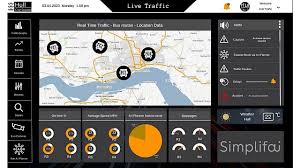
The Impact of New Digital Technologies
In today’s fast-paced world, the rapid advancement of technology continues to shape our daily lives. One of the most significant drivers of this change is the emergence of new digital technologies that are revolutionising various industries and sectors.
From artificial intelligence and machine learning to virtual reality and blockchain, these cutting-edge technologies are transforming how we work, communicate, and interact with the world around us. Businesses are leveraging these tools to enhance efficiency, improve decision-making processes, and deliver innovative products and services to consumers.
Furthermore, new digital technologies are driving unprecedented levels of connectivity and collaboration. The rise of social media platforms, cloud computing, and mobile applications has made it easier for individuals to connect with one another regardless of geographical boundaries. This interconnectedness has opened up new opportunities for global communication, knowledge sharing, and cultural exchange.
However, along with these benefits come challenges related to privacy, security, and ethical considerations. As data becomes increasingly valuable in the digital age, there is a growing need to address issues surrounding data protection, cybersecurity threats, and algorithmic bias.
Despite these challenges, the potential impact of new digital technologies is vast. They have the power to drive economic growth, spur innovation, and address complex societal problems. By embracing these advancements responsibly and ethically, we can harness the full potential of digital technologies to create a more connected and inclusive world.
As we navigate this era of rapid technological change, it is essential for individuals and organisations to stay informed about the latest developments in digital technology. By understanding how these innovations are shaping our future, we can adapt proactively and leverage them to drive positive change in society.
Exploring the Future: Key FAQs on Emerging Digital Technologies and Their Impact
- What are the latest digital technologies shaping the future?
- How are artificial intelligence and machine learning revolutionising industries?
- What is the impact of virtual reality on various sectors?
- How can businesses leverage blockchain technology for growth and security?
- What are the ethical considerations associated with new digital technologies?
- How can individuals protect their privacy in the digital age?
What are the latest digital technologies shaping the future?
The question “What are the latest digital technologies shaping the future?” is a common inquiry that reflects the growing interest in the transformative power of technology. In today’s dynamic landscape, several cutting-edge innovations are playing a pivotal role in shaping the future. From artificial intelligence and machine learning to the Internet of Things and blockchain technology, these advancements are revolutionising industries, driving efficiency, and unlocking new possibilities for businesses and individuals alike. Embracing these latest digital technologies can lead to enhanced productivity, improved decision-making processes, and innovative solutions to complex challenges, ultimately shaping a more connected and technologically advanced future.
How are artificial intelligence and machine learning revolutionising industries?
Artificial intelligence (AI) and machine learning are revolutionising industries by automating complex tasks, enhancing decision-making processes, and driving innovation. In healthcare, AI algorithms are improving diagnostic accuracy and personalising treatment plans, while in finance, they are streamlining operations through fraud detection and risk management. The retail sector benefits from AI-driven analytics for inventory management and personalised marketing strategies. In manufacturing, machine learning optimises production lines and predicts maintenance needs to minimise downtime. Furthermore, AI is transforming customer service with chatbots that provide instant support. By harnessing the power of data, these technologies enable businesses to operate more efficiently and effectively, ultimately reshaping the landscape of various industries.
What is the impact of virtual reality on various sectors?
The impact of virtual reality on various sectors is profound and far-reaching. In industries such as healthcare, education, entertainment, and manufacturing, virtual reality has revolutionised the way tasks are performed and experiences are delivered. In healthcare, VR technology enables medical professionals to simulate complex surgeries, train more effectively, and improve patient care. In education, students can engage in immersive learning experiences that enhance retention and understanding of complex concepts. The entertainment industry has embraced VR for creating interactive and immersive content that captivates audiences. Moreover, in manufacturing, VR is used for design prototyping, training simulations, and improving operational efficiencies. Overall, virtual reality has the potential to transform how we work, learn, entertain ourselves, and interact with the world around us.
How can businesses leverage blockchain technology for growth and security?
Businesses can leverage blockchain technology to drive growth and enhance security in various ways. By implementing blockchain solutions, organisations can streamline processes, reduce operational costs, and improve transparency in transactions. The decentralised nature of blockchain ensures that data is secure, tamper-proof, and resistant to hacking or fraud. This not only enhances the security of sensitive information but also builds trust among stakeholders. Additionally, smart contracts powered by blockchain technology enable automated and secure execution of agreements, eliminating the need for intermediaries and reducing the risk of errors or disputes. Overall, integrating blockchain into business operations can catalyse growth by fostering efficiency, trust, and innovation while safeguarding against potential security threats.
What are the ethical considerations associated with new digital technologies?
When exploring the realm of new digital technologies, it is crucial to address the ethical considerations that accompany their advancement. Questions surrounding data privacy, security, and the potential for algorithmic bias are paramount in ensuring that these technologies are developed and utilised responsibly. As data becomes increasingly valuable in the digital landscape, concerns about how it is collected, stored, and shared arise. Moreover, issues related to cybersecurity threats and the unintended consequences of automated decision-making processes underscore the importance of upholding ethical standards in the design and implementation of new digital technologies. By proactively addressing these ethical considerations, we can strive towards a more equitable and transparent digital future.
How can individuals protect their privacy in the digital age?
In the digital age, protecting privacy has become a paramount concern for individuals as their personal data is increasingly collected and shared online. To safeguard their privacy in this digital landscape, individuals can take proactive measures such as carefully reviewing privacy settings on social media platforms and other online services to control what information is shared. It is also essential to use strong, unique passwords for different accounts, enable two-factor authentication where possible, and regularly update software and applications to mitigate security vulnerabilities. Being cautious about sharing sensitive information online, avoiding clicking on suspicious links or emails, and being mindful of the websites visited can further enhance privacy protection in the digital realm. Additionally, considering the use of virtual private networks (VPNs) for secure browsing and encrypting sensitive communications can add an extra layer of protection against potential threats to privacy.