The Latest IT Technology: Transforming the Digital Landscape
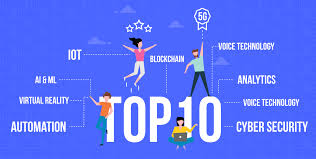
In today’s fast-paced world, information technology (IT) continues to evolve at an unprecedented rate, reshaping industries and redefining how we live and work. From advanced artificial intelligence to revolutionary blockchain applications, the latest IT technologies are setting new standards for innovation and efficiency.
Artificial Intelligence and Machine Learning
Artificial Intelligence (AI) has become a cornerstone of modern IT advancements. With machine learning algorithms becoming more sophisticated, AI is now capable of performing tasks that were once thought to be exclusively human domains. From natural language processing to predictive analytics, AI is enhancing decision-making processes across various sectors including healthcare, finance, and retail.
Blockchain Technology
Blockchain technology has moved beyond its initial association with cryptocurrencies like Bitcoin. It is now being utilised for secure data transactions across industries such as supply chain management, healthcare, and real estate. The decentralised nature of blockchain ensures transparency and security, making it an ideal solution for reducing fraud and increasing trust in digital transactions.
Internet of Things (IoT)
The Internet of Things (IoT) is creating a more connected world by linking everyday devices to the internet. This technology enables real-time data collection and analysis, allowing businesses to optimise operations and offer personalised services. Smart homes, industrial automation, and smart cities are just a few examples of how IoT is transforming our environment.
5G Connectivity
The rollout of 5G networks promises to revolutionise connectivity with faster speeds and lower latency than ever before. This next-generation wireless technology will support the growth of IoT devices, enhance mobile broadband services, and enable new applications such as augmented reality (AR) and virtual reality (VR).
Cybersecurity Advances
As IT technologies advance, so do the threats posed by cybercriminals. The latest cybersecurity technologies are focused on proactive threat detection using AI-driven solutions that can predict attacks before they occur. Enhanced encryption methods and biometric security measures are also being implemented to safeguard sensitive information.
Conclusion
The latest IT technologies are not only driving innovation but also presenting new challenges that require careful consideration. As these technologies continue to develop, they hold the potential to significantly improve efficiency across industries while also requiring robust security measures to protect against emerging threats. Staying informed about these advancements is crucial for businesses seeking a competitive edge in this rapidly evolving digital landscape.
Top 5 Benefits of the Latest IT Technology: Boosting Efficiency, Connectivity, and Security
- Enhanced Efficiency
- Improved Connectivity
- Innovative Solutions
- Enhanced Security
- Competitive Advantage
Top 5 Drawbacks of the Latest IT Technology: Privacy, Connectivity, Cybersecurity, Skills, and Cost Challenges
Enhanced Efficiency
Enhanced Efficiency: The latest IT technology streamlines processes and automates tasks, boosting productivity and reducing manual errors. By leveraging cutting-edge tools such as artificial intelligence and machine learning, organisations can achieve higher levels of efficiency in their operations. Automation of repetitive tasks not only saves time but also minimises the risk of human error, leading to more accurate results and improved decision-making. This enhanced efficiency allows businesses to focus on strategic initiatives, drive innovation, and stay competitive in today’s fast-paced digital landscape.
Improved Connectivity
Improved Connectivity is a key benefit of the latest IT technology advancements. With the introduction of advanced networking technologies such as 5G and Internet of Things (IoT), seamless communication and data sharing have become a reality across various devices and platforms. The high-speed, low-latency capabilities of 5G networks enhance connectivity, enabling faster data transfer and real-time interactions. Additionally, IoT devices interconnected through the internet facilitate efficient data exchange, leading to increased productivity and enhanced user experiences in both personal and business settings. This improved connectivity not only streamlines operations but also opens up new possibilities for innovation and collaboration in the digital age.
Innovative Solutions
Cutting-edge IT technologies, including artificial intelligence and blockchain, are providing innovative solutions to complex challenges across a range of industries. AI’s ability to process vast amounts of data and learn from it enables businesses to optimise operations, personalise customer experiences, and make informed decisions with unprecedented accuracy. Meanwhile, blockchain’s decentralised nature ensures secure and transparent transactions, reducing the risk of fraud and enhancing trust. These technologies are driving significant progress by streamlining processes, improving efficiency, and opening up new avenues for growth and development in sectors such as finance, healthcare, supply chain management, and beyond.
Enhanced Security
Enhanced Security: The latest cybersecurity measures offer robust protection against cyber threats, safeguarding the integrity of sensitive data and systems. With advanced encryption techniques, proactive threat detection powered by artificial intelligence, and biometric authentication methods, organisations can mitigate risks and enhance their overall security posture. By leveraging the latest IT technology for cybersecurity, businesses can instil trust among their stakeholders and demonstrate a commitment to safeguarding valuable information in an increasingly digital landscape.
Competitive Advantage
Businesses that embrace the latest IT technology gain a significant competitive advantage by positioning themselves at the forefront of innovation. By staying ahead of trends, meeting customer demands with enhanced efficiency, and swiftly adapting to market changes, these forward-thinking companies are better equipped to thrive in today’s dynamic business landscape. The strategic integration of cutting-edge IT solutions not only improves operational performance but also enables businesses to deliver superior products and services, ultimately setting them apart from competitors and driving long-term success.
Privacy Concerns
The rapid advancement of IT technology has brought about significant privacy concerns, primarily due to the extensive collection and analysis of personal data. As technologies like artificial intelligence, IoT, and big data analytics become more prevalent, they often require access to sensitive information to function effectively. This raises critical questions about how data is stored, who has access to it, and how it is used. The potential for misuse or unauthorised access to personal information poses a risk to individuals’ privacy and can lead to identity theft, surveillance, or other forms of exploitation. Consequently, there is an increasing demand for robust data protection regulations and practices that ensure individuals’ privacy rights are safeguarded in this digital age.
Dependency on Connectivity
One significant drawback of the latest IT technology is the increasing dependency on connectivity. The reliance on high-speed internet connections for seamless operation can pose challenges, especially in areas with poor connectivity or during network outages. In such situations, businesses and individuals may face disruptions in their daily operations, impacting productivity and communication. This dependency highlights the need for reliable network infrastructure and contingency plans to mitigate the risks associated with potential connectivity issues.
Cybersecurity Risks
With advancements in IT technology, such as artificial intelligence, blockchain, and IoT, there comes the con of heightened cybersecurity risks. As organisations adopt these cutting-edge technologies to enhance their operations, they also become more vulnerable to cyber attacks. Hackers are constantly developing new methods to exploit weaknesses in systems, making it essential for businesses to implement robust security measures to safeguard their data and infrastructure. Mitigating potential threats through proactive monitoring, encryption protocols, and employee training is crucial in protecting against the ever-evolving landscape of cyber threats.
Skills Gap
One significant con of the latest IT technology is the emergence of a skills gap within the workforce. The rapid pace of technological advancements often outstrips the ability of professionals to acquire and master the necessary skills to effectively utilise new IT tools and systems. This mismatch between technological progress and workforce capabilities can result in a shortage of skilled individuals proficient in handling cutting-edge technologies, potentially hindering organisations from fully leveraging the benefits that these advancements offer. Addressing this skills gap through continuous learning and upskilling initiatives is crucial to ensure that businesses remain competitive and adaptable in an increasingly digital world.
Cost Implications
One significant drawback of the latest IT technology is the cost implications associated with its implementation and maintenance. For small businesses or organisations with limited budgets, investing in cutting-edge IT technologies can present a financial challenge. The initial setup costs, ongoing maintenance expenses, and the need for specialised personnel to manage these technologies can strain resources and impact the overall budget allocation. As a result, some businesses may find it difficult to keep up with technological advancements and may have to make tough decisions regarding prioritising their IT investments within the constraints of their financial capabilities.